
After finishing your dog grooming course, turn skills into paid work by building a compact, animal-first portfolio with clear before-and-after photos and service notes, assembling durable clippers and breed-appropriate tools, and keeping a sanitized emergency kit. Get hands-on experience through apprenticeships, shelters dog grooming academy, or volunteer shifts to learn restraint, timing, and temperament handling. Market with a simple booking page, local networking, and trial discounts, and confirm local licenses and insurance so you can work safely—keep going to learn practical next steps.
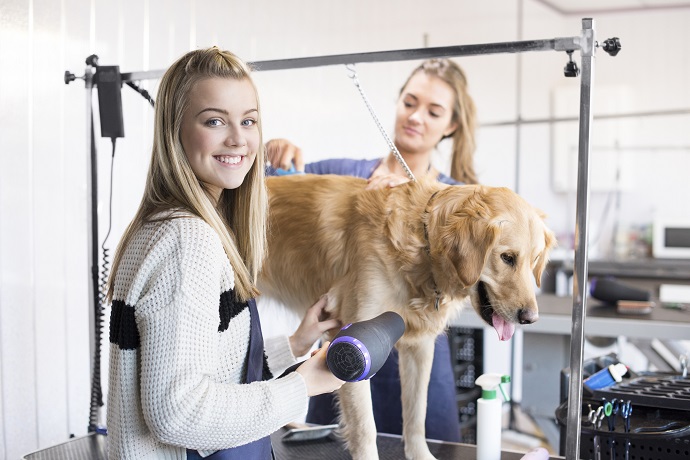
Building a Professional Portfolio and Grooming Kit
A strong portfolio and a well-chosen grooming kit will help you show clients you know what you’
re doing and care for animals’ safety and comfort. You’ll collect clear before and after shots for brand photography to prove your technique and compassion. Choose durable clippers, safe shampoos https://cosmos.petuniverse.com/dog-grooming-course/, and properly sized brushes so you can work efficiently and adapt to different breeds. Keep a compact emergency kit and sanitize tools between appointments to protect each pet. Organize images and service descriptions into a simple, mobile-friendly portfolio that lets potential clients see your standards and gives you freedom to book confidently. Update the portfolio regularly with recent work and notes on temperament and care to keep your practice responsible and trustworthy.
Gaining Practical Experience and Apprenticeships
You’ll start by seeking an apprenticeship with a salon or experienced groomer who values mentorship and animal welfare. In that placement you’ll build hands-on skills—handling different breeds, mastering equipment, and reading canine body language. Stay patient and focused on safe, calm techniques to earn trust and refine your craft.
Finding an Apprenticeship Placement
When seeking an apprenticeship placement, focus on hands-on learning environments where experienced groomers mentor you directly; these settings let you build practical skills, handle a range of temperaments, and learn salon routines under supervision. You’ll want mentor matching to pair with someone whose methods and pace suit your goals and sense of independence. Research local salons, mobile groomers, and shelters, then reach out with a concise pitch explaining your training, availability, and values. Prepare for interview preparation by anticipating questions about animal handling, safety, and client communication. During visits, observe protocols, ask targeted questions, and note how staff treat animals. Choose placements that respect both animal welfare and your need for flexible growth, so you can gain experience without losing the freedom you value.
Building Hands-On Skills
Start by seeking frequent, supervised time around a variety of dogs so you can translate classroom techniques into confident, calm handling and accurate grooming. You’ll refine breed specific techniques and reinforce puppy handling basics while building muscle memory. Prioritize observation, guided practice, and reflection.
- Shadow experienced groomers to watch timing, restraint, and breed-specific trims.
- Take short, focused practice sessions on different coats to build speed and consistency.
- Volunteer for puppy handling shifts to develop gentle restraint and socialization cues.
- Seek feedback, record progress, and repeat skills until they’re automatic.
You’ll gain practical confidence that lets you choose your path and work with fewer limits. Stay patient, animal-focused, and deliberate; hands-on repetition is the bridge from training to independent freedom.
Marketing Yourself and Finding Clients
Show clients your skills with a clear portfolio of before-and-after photos and short descriptions of each dog’s coat needs and treatments. Visit local pet stores, vets, and dog parks to introduce yourself, leave business cards, and offer trial discounts for nervous or elderly pets. You’ll build trust faster by highlighting gentle handling, breed-specific knowledge, and consistent follow-up.

Build a Portfolio
Craft a clear, animal-focused portfolio that proves your skills and attracts clients: include high-quality before-and-after photos, short descriptions of each dog’s breed, coat type and the services performed, and notes on temperament or any special handling you used. You want a digital showcase that feels calm and confident, so clients trust your judgment and the dogs feel safe. Keep entries factual, honest, and succinct. Use consistent lighting, angles, and captions.
- List the service, duration, and products used.
- Note behavioral tips and any handling adaptations.
- Add client-approved testimonials highlighting results.
- Link to a simple booking page and contact details.
Maintain privacy, update regularly, and choose images that emphasize health, comfort, and freedom.
Local Networking Strategies
Often the best clients come from your neighborhood, so get out and introduce yourself to fellow pet professionals and local pet owners in ways that center animals’ comfort and wellbeing. Visit pet stores and ask to leave business cards or offer short demonstrations that show calm handling and clear grooming benefits. Attend local dog parks and breed-specific meetups to observe needs, offer gentle advice, and build trust without pressure. Connect with vets, trainers, and breed clubs to exchange referrals and provide trial sessions for new clients. Host small, low-stress workshops focused on home maintenance grooming so owners see your skill and care. Keep follow-up simple, respect animals’ limits, and let consistent, respectful presence grow a steady client base.
Understanding Certification, Insurance, and Local Regulations
Before you start taking clients, you’ll need to understand the certifications, insurance options, and local rules that let you work legally and protect the animals and yourself. You’ll verify credentials, complete license verification, and confirm regulatory compliance so your practice stays safe and lawful. Consider these steps:
- Check local licensing: confirm required permits, renewal dates, and display rules.
- Choose insurance: general liability, professional liability, and care custody coverage for pets.
- Keep records: client consent forms, vaccination proofs, incident logs, and training certificates.
- Know animal welfare laws: handling standards, transport rules, and reporting obligations.
You’ll move confidently when paperwork and protections are in place, freeing you to focus on humane, skilled grooming.
Setting Up Your Own Mobile or Home Grooming Business
With your paperwork and protections in place, you can start planning the practical setup for a mobile or home grooming business that keeps animals safe and comfortable. Choose a quiet, non-slip work area and invest in ergonomic tables, secure restraints, and gentle drying systems. If you opt for a vehicle, design a van conversion that prioritizes ventilation, temperature control, and easy-to-clean surfaces. Outline clear sanitation routines, emergency protocols, and a calm handling approach for nervous pets. Decide the services you’ll offer, then set a transparent pricing strategy reflecting time, supplies, travel, and experience. Build a simple booking system and client intake form to note behavior and medical needs. Keep procedures consistent so pets feel secure and you maintain freedom in your schedule.
Finding and Succeeding in Salon Employment
Landing a salon job starts with targeted preparation: polish your portfolio, gather references, and be ready to demonstrate safe handling and grooming techniques on different breeds. You’ll present calm competence, show clear client communication, and prove you respect each animal’s limits. Focus on learning salon routines and safety policies, ask about mentoring, and observe senior stylists.
- Showcase breed-specific clips and before/after photos.
- Prepare short scripts for consultations and aftercare instructions.
- Volunteer for shifts to build team collaboration and trust.
- Track appointments, notes, and behavioral cues for consistency.
You’ll succeed by being reliable, adaptable, and gentle. That respect for animals and colleagues gives you the freedom to grow into roles with more responsibility and creative control.
Conclusion
You’ve got the training — now build a clean, animal-first portfolio and kit, seek hands-on apprenticeships, and learn local rules and insurance needs. Market yourself clearly to owners who value calm, skilled care, and decide whether a mobile, home, or salon role fits your lifestyle. Keep learning breed-specific handling, prioritize safety and stress-free techniques, and let your compassion and competence shape a trustworthy grooming career that benefits every dog you meet.